Science & Art
Science and art share a common past and rich potential for a more synergistic future. Through my research, I seek to demonstrate how the bonds between biology and the arts have remained despite their institutional and cultural separation and how the arts can transform scientific research. My current book project, Animating Development: A History Through the Microscope, explores visual making and knowing in the history of developmental biology–formerly called embryology–and its connections cinematic animation across visual media—including drawing, photographing, filming, and 3D modeling.
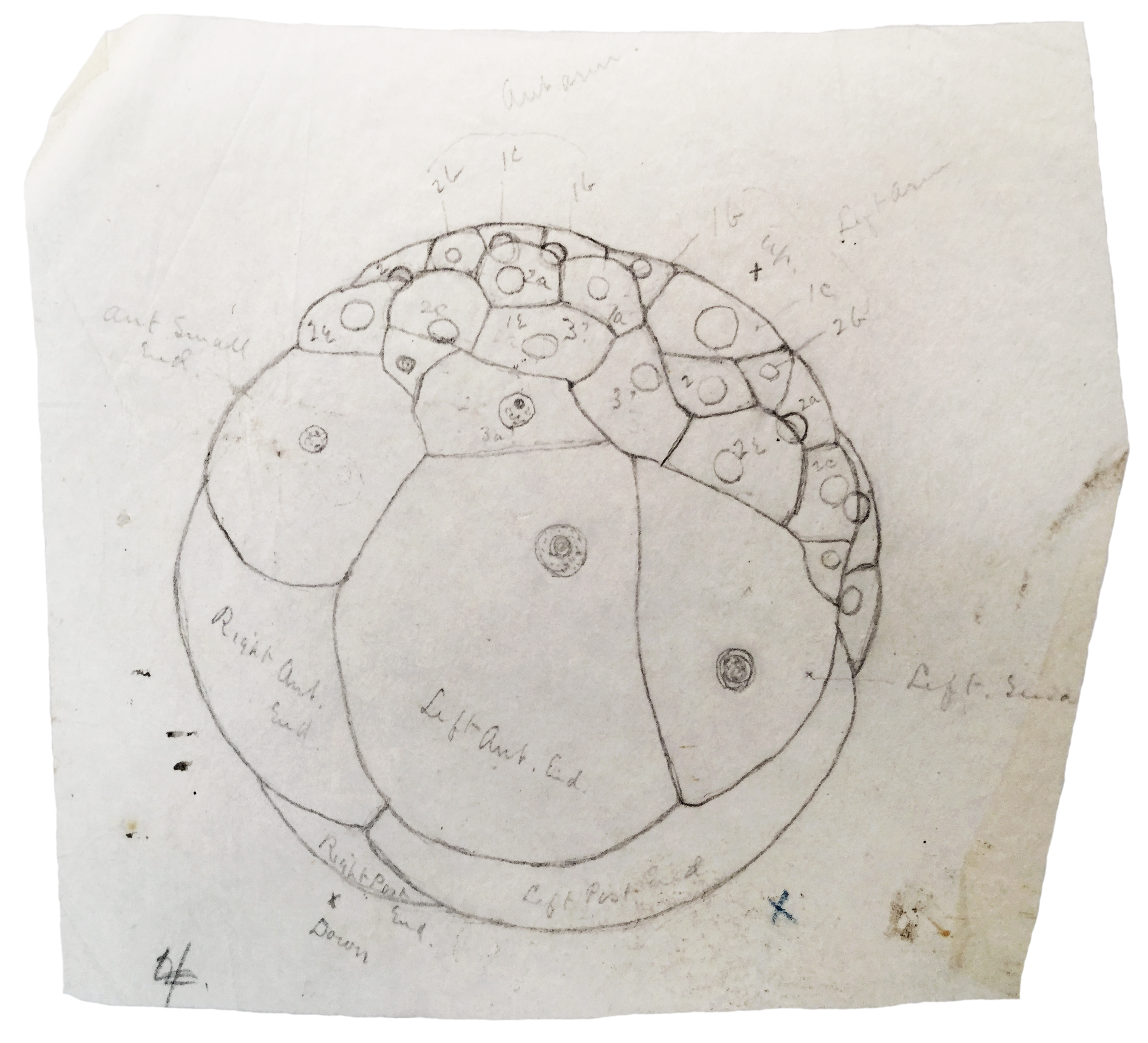
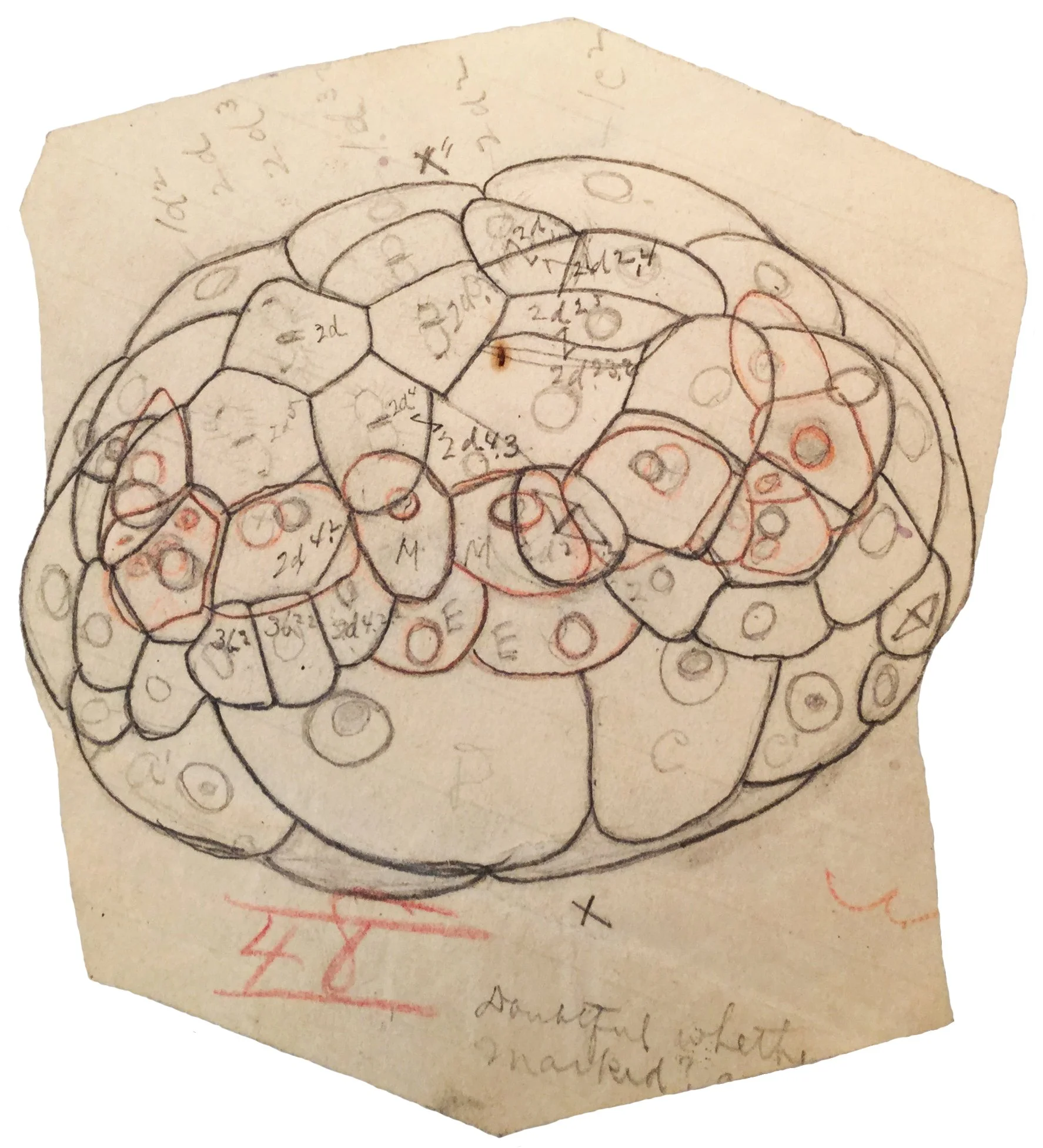
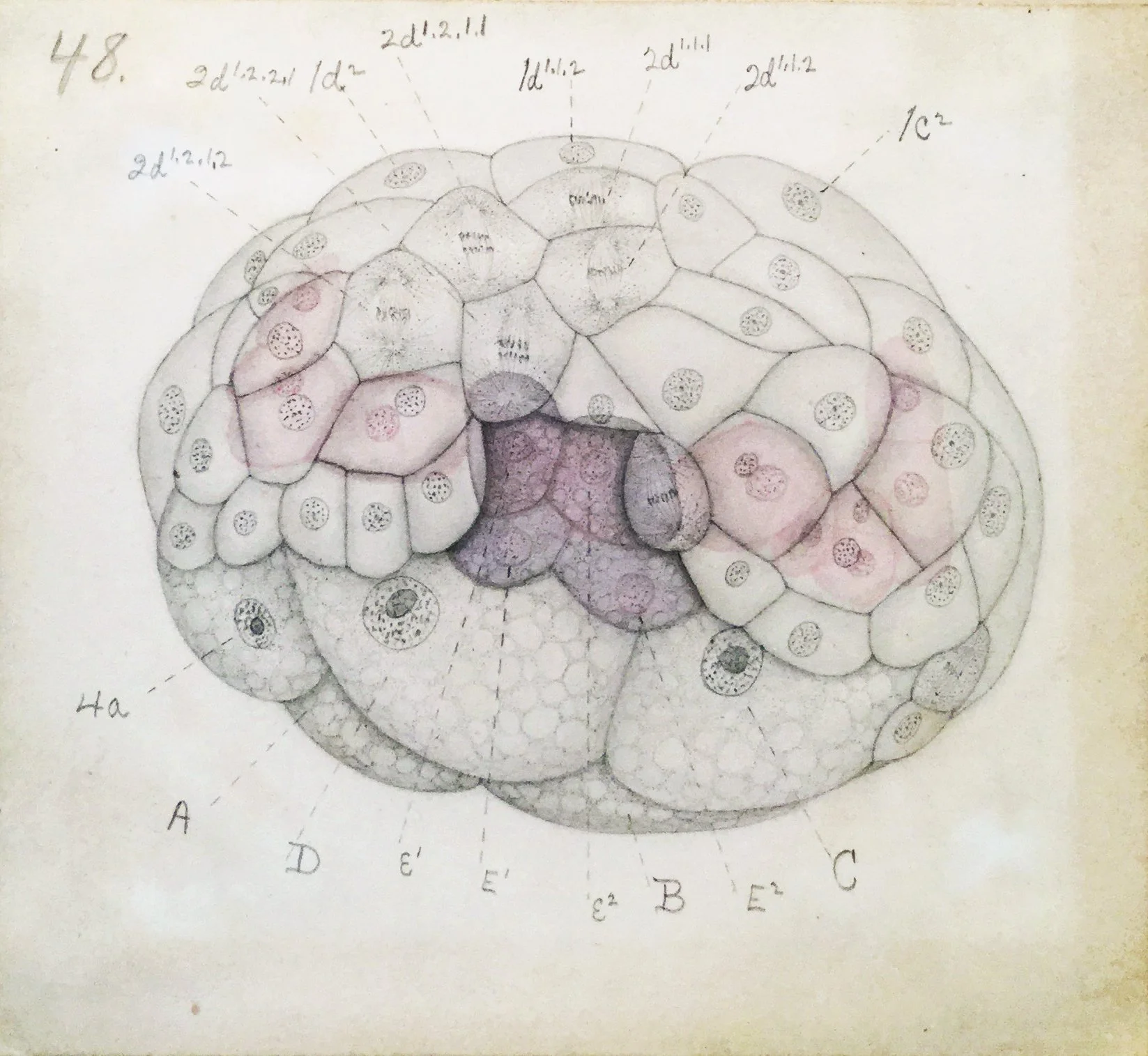
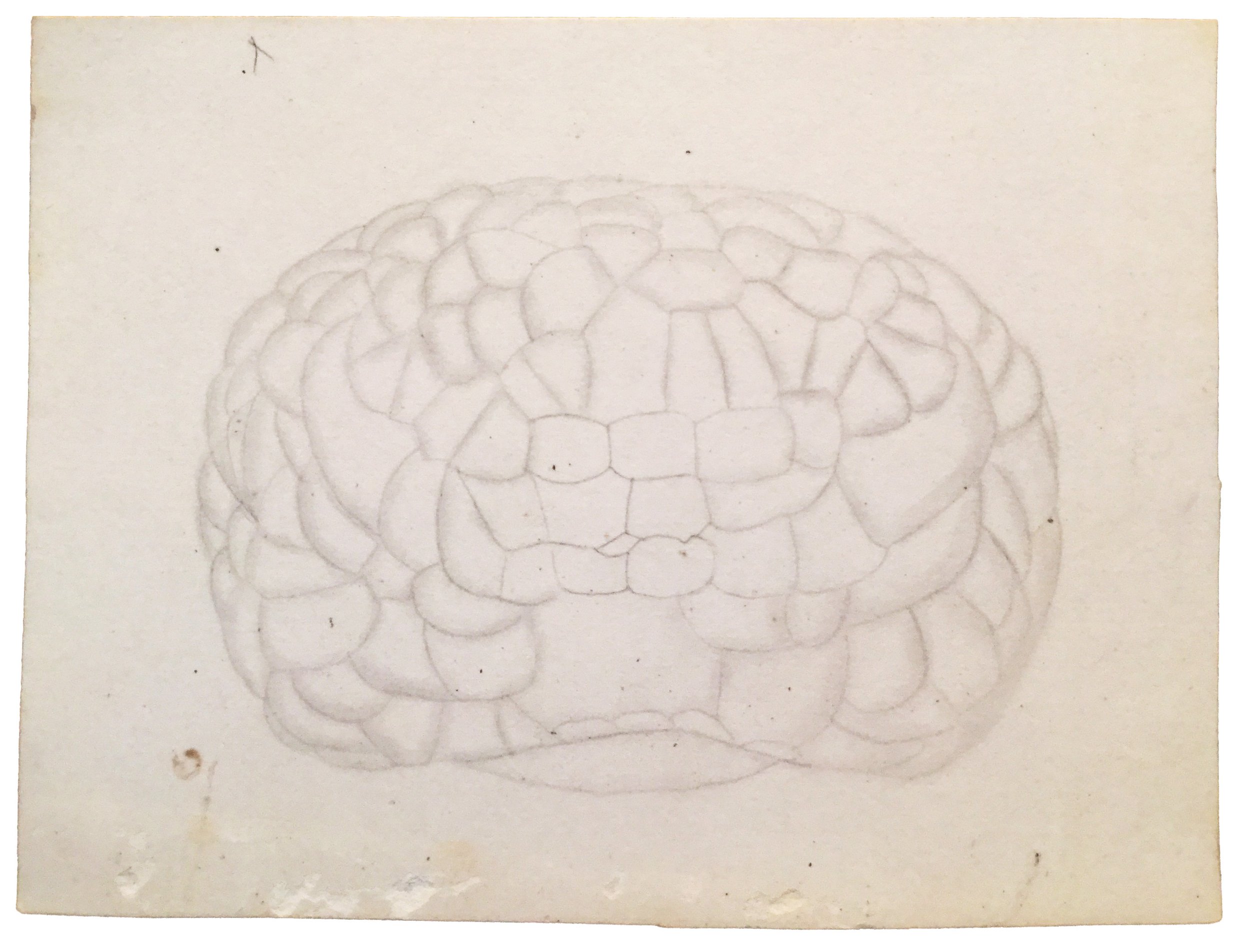
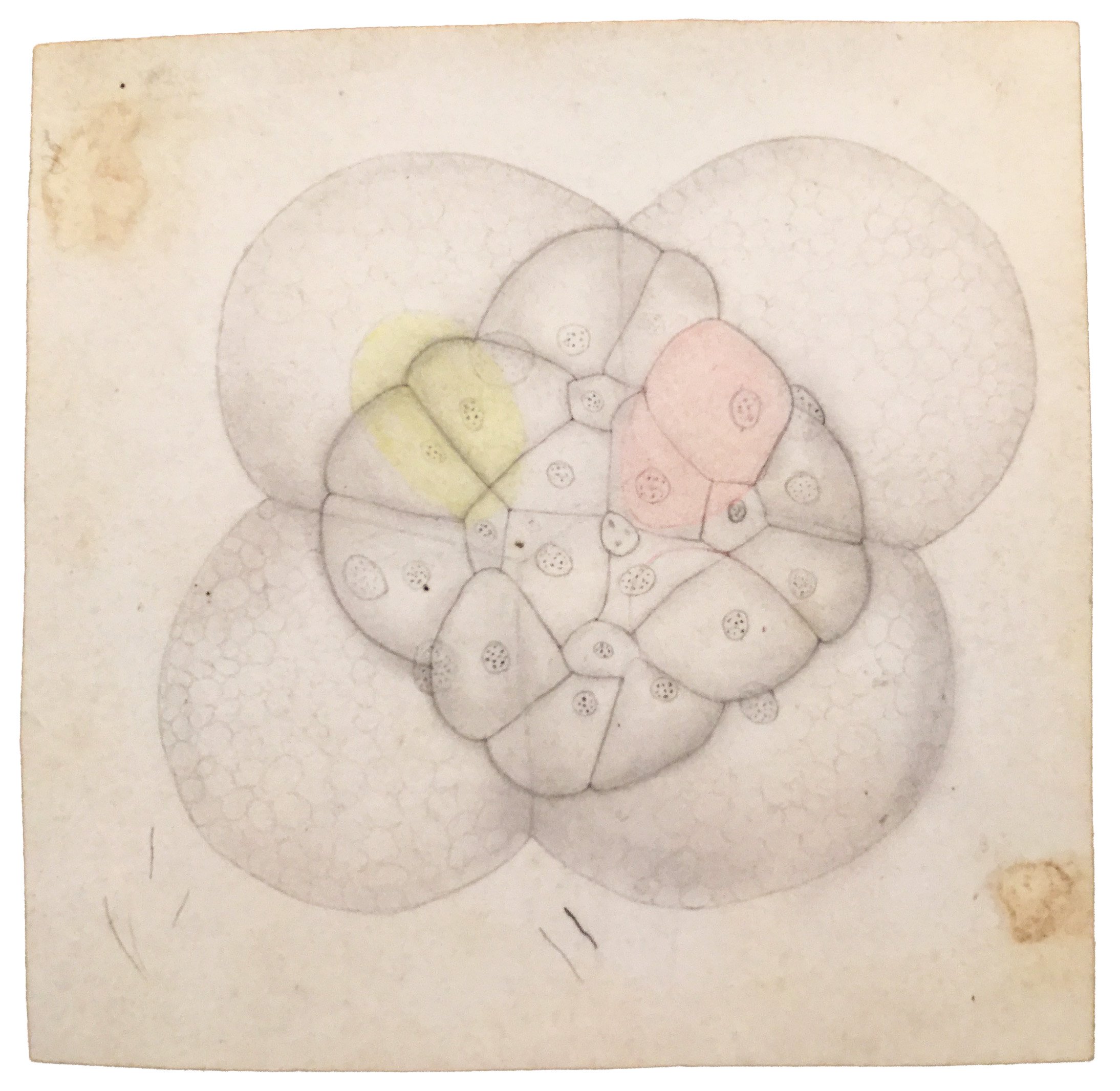
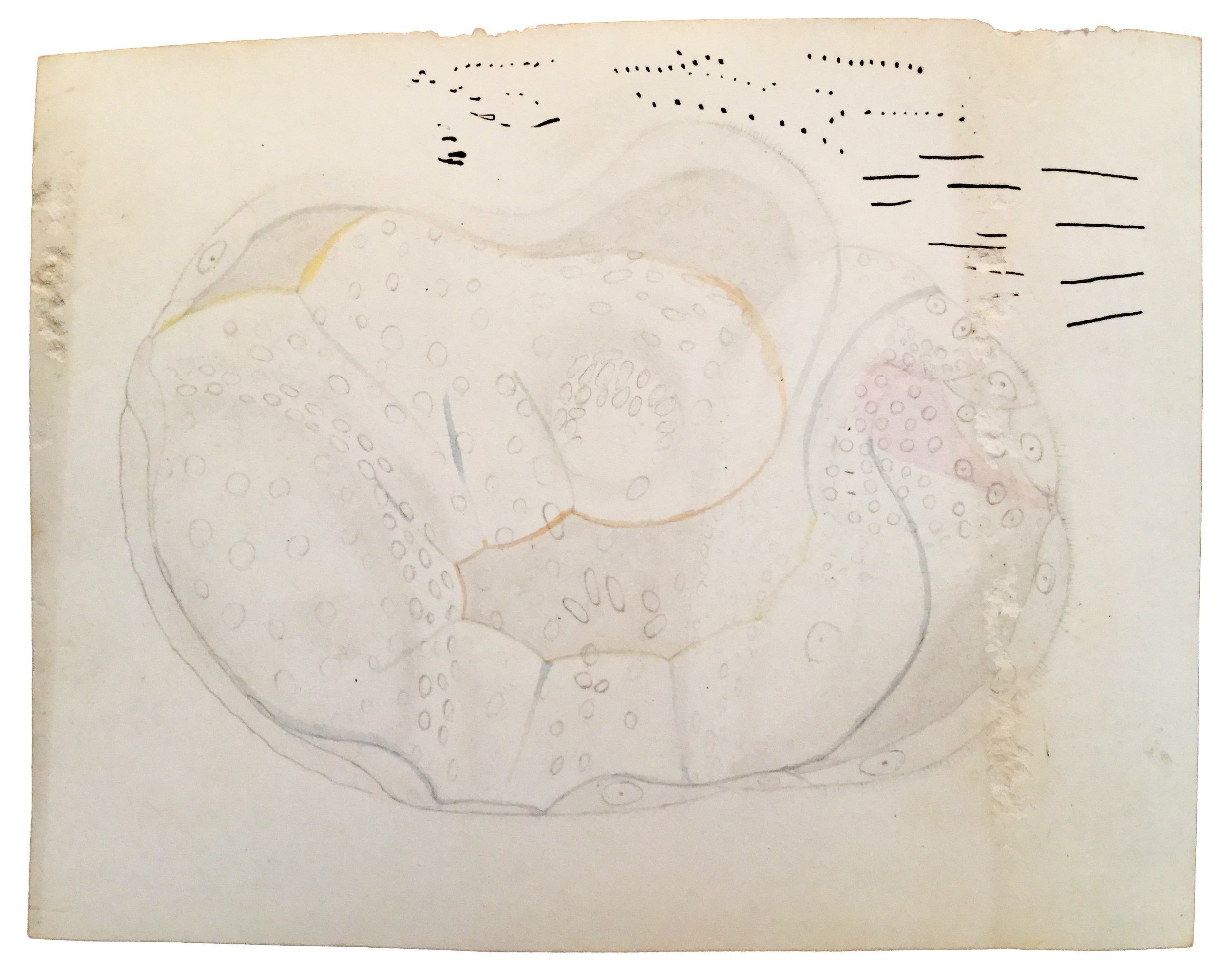
Drawings for The Embryology of Crepidula (E.G. Conklin, c. 1890s)
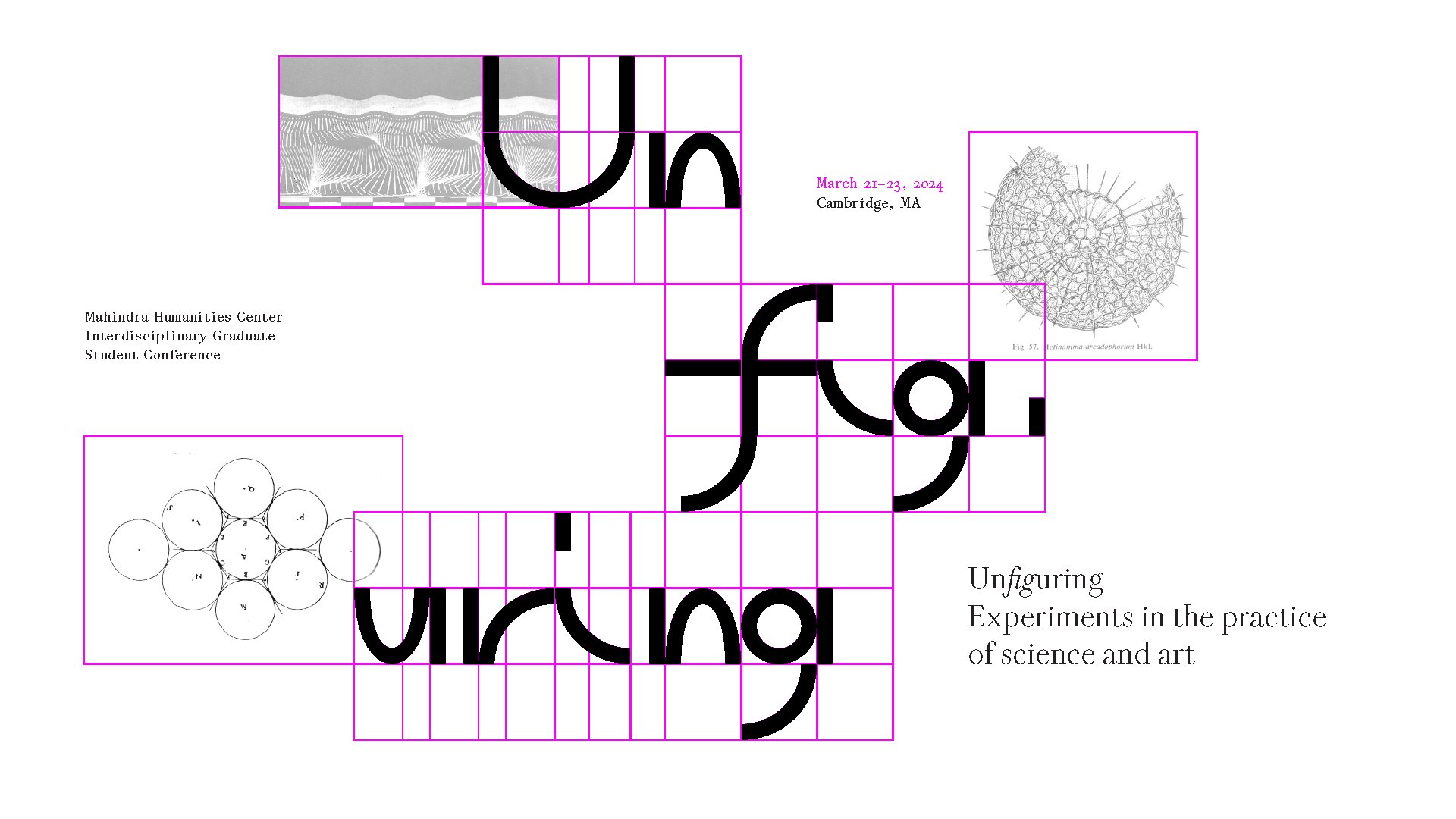
From the first studies of the moon’s surface in Galileo’s Sidereus Nuncius (1610) and Robert Hooke’s microscopic observations in Micrographia (1665), scientists have crafted scientific stories across a range of visual and literary genres. Yet since the late-19th century, the main output of scientific research has remained the scientific journal article, a communication format that imposes a linear and 2D logic. To explore how we might expand scientific research products, I co-founded a collaborative interdisciplinary project called Unfiguring: Experiments in the Practice of Science and Art. Unfiguring’s award-winning visual identity and communication materials are designed by Buena Gráfica Social Studio.
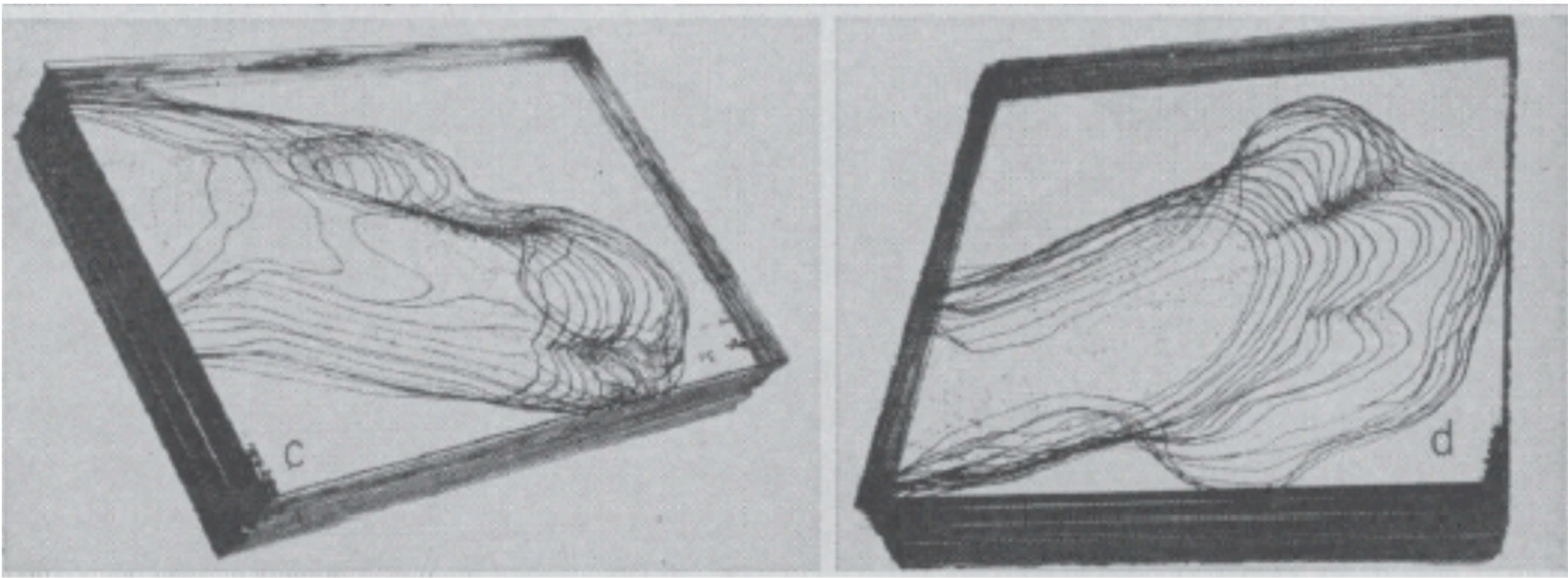
John Saunder’s 3D models of morphogenetic cell death carving embryonic chick wings (c. 1950s)
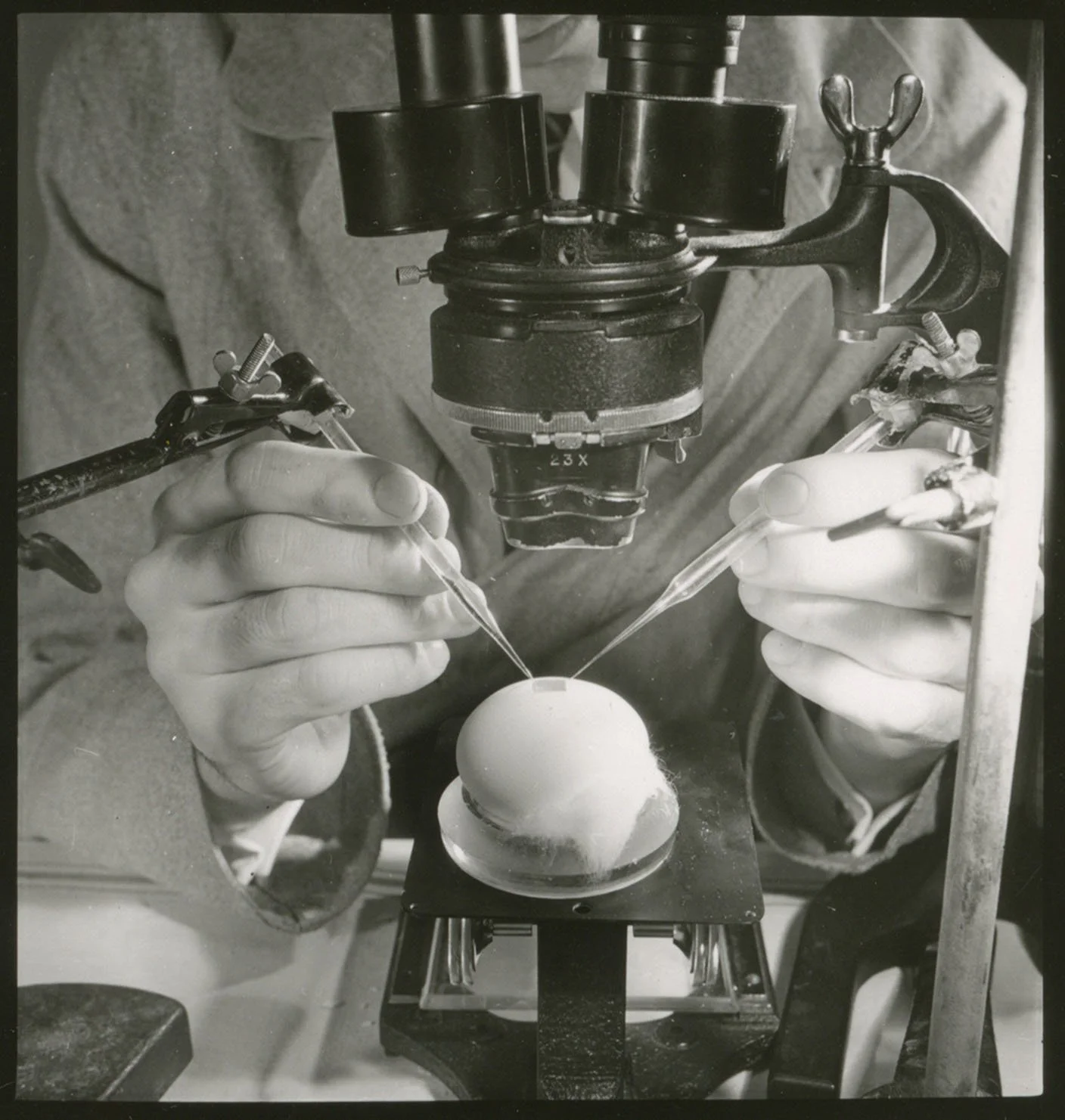
Chick embryo dissection (c. 1950s)
Archival research in the John Tyler Bonner papers (American Philosophical Society)